
Sump Pump Not Working? What to Check in Sioux Falls
When a sump pump is not working in a Sioux Falls basement, the cause is usually lost power (a tripped GFCI or breaker), a float switch that is stuck, or a discharge line that is clogged or frozen. You can check all three in a few minutes without pulling the pump. If the pump hums but moves no water, runs nonstop, or the pit is close to overflowing, call a plumber.
A sump pump only matters on the day it has to work, so a dead pump is worth a fast look. Below are the safe checks in order, the winter problems that show up in Sioux Falls-area homes, and where your part ends.
Published
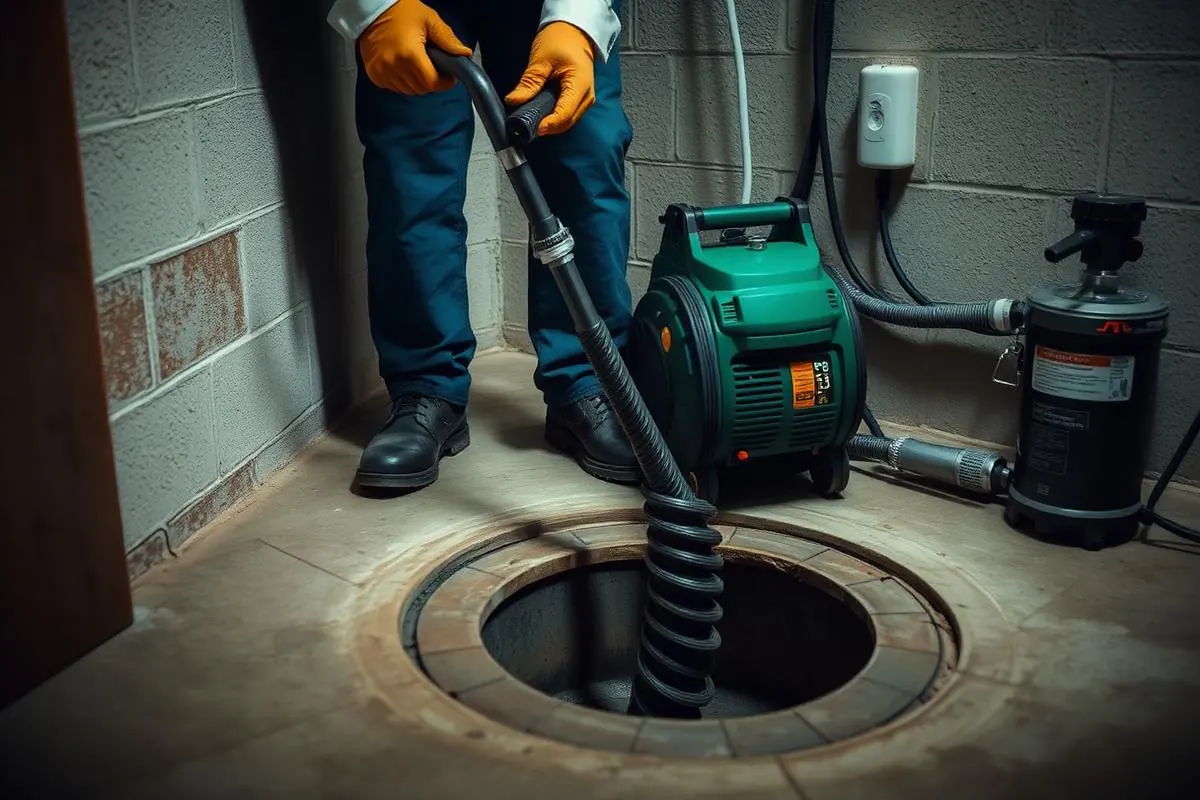
Step by step: what to check when your sump pump is not working
Keep your hands out of the water while the pump is plugged in. Use a dry broom handle or a stick if you need to move anything in the pit.
- Look at the water level. If the pit is nearly empty, the pump may simply have nothing to pump yet. Pour a bucket of water in slowly. The pump should start, empty the pit, and shut off.
- Check the power. Make sure the cord is plugged straight into the wall. Many basement outlets are GFCIs, so press RESET on that outlet or on the GFCI that feeds it. Then look for a tripped breaker in the panel and reset it once. Don't run a sump pump on an extension cord.
- Free the float. The float is the part that rises with the water and turns the pump on. It can get stuck against the pit wall, the power cord, or debris. Nudge it up with the broom handle. If the pump starts, the float was the problem.
- Listen to it. A pump that hums but moves no water may have a clogged intake screen, a jammed impeller, or an air lock. A grinding or rattling sound means something is caught or worn. Unplug it before you touch anything.
- Check the discharge line outside. Follow the pipe to where it exits the house. Snow, ice, leaves, or a crushed hose at the end can block it. In winter, look for an ice plug at the outlet.
- Watch the check valve. The check valve sits on the pipe just above the pit and keeps water from falling back in. If you hear water rush back into the pit every time the pump shuts off, or the pump restarts right away, the valve may be stuck or failing.
- Call with what you found. If none of this brings the pump back, or it runs but can't keep up, it's time for a plumber. Your notes from steps 1 to 6 save time on the visit.
If water is already on the basement floor near outlets or cords, stay out of it and don't touch the panel while standing in water.
What the symptoms usually mean
| What you notice | Common cause | Safe for you to check | Time to call a plumber |
|---|---|---|---|
| Pump is silent, pit is filling | No power, tripped GFCI or breaker, stuck float | Reset GFCI and breaker once, nudge the float | Power is fine and it still won't start |
| Pump hums but water doesn't go down | Clogged intake, jammed impeller, air lock, frozen line | Unplug, clear debris from around the base, check the outside outlet | It still hums with no flow |
| Pump runs and runs, no rain lately | Float stuck up, failed switch, check valve letting water fall back | Watch the float and listen for backflow when it stops | It won't shut off on its own |
| Pump turns on and off every few seconds | Bad check valve, float set wrong, pit too small | Note how often it cycles | Soon. Short cycling wears out the motor |
| Water comes out near the house, not at the end of the line | Ice or a clog farther down the discharge line | Clear snow and ice from the outlet | The line stays blocked |
| Grinding, rattling, or a burning smell | Worn motor or something caught in the pump | Nothing. Unplug it | Now |
Winter problems in Sioux Falls homes
Most national guides on dead sump pumps are written for rainy places and skip the cold-weather problems. In a Sioux Falls winter, these come up the most:
- Frozen discharge lines. A line that drains slowly, sags, or ends in a flexible hose lying on the ground can freeze shut. Then the pump runs against a blocked pipe and water can back up. Keep the outlet clear of snow, and make sure the line slopes away so water doesn't sit in it. If it freezes often, ask about rerouting it or adding a freeze-relief fitting near the house.
- Where the water goes. Water dumped next to the foundation can soak back into the soil and return to the pit. Water dumped onto a driveway or sidewalk can turn into ice. Point the outlet at a spot that drains away from the house and walkways.
- Early thaws and the spring melt. A warm spell on frozen ground can send water to the pit fast. Test the pump in late winter, before the snow melts, not after water shows up.
- Power outages in storms. The storms that fill a pit can also knock out power. If your basement depends on the pump, a battery backup pump and a high-water alarm are worth asking about.
Before you call: a quick checklist
Have these ready and the visit goes faster:
- Whether the pump is silent, humming, running nonstop, or turning on and off
- Which GFCI and breaker you reset, and whether anything tripped again
- How high the water is in the pit right now
- What the discharge outlet looks like outside (clear, iced over, buried)
- Roughly how old the pump is, and whether there is a backup pump or alarm
- A photo of the pit and the pipe above it, taken without reaching in
When a dead sump pump is a repair job
If the safe checks don't fix it, the problem is in the pump, the switch, the check valve, or the pipe. That means pulling the pump or cutting into the line, which is plumber work:
- A pump that won't start, hums, runs nonstop, or is worn out is a sump pump repair or replacement job. That page also covers battery backups and freeze-proofing the discharge.
- If the pit is about to overflow or water is already spreading, treat it as emergency plumbing and call right away.
- If water is coming up through the basement floor drain instead of the pit, see drain cleaning.
The same phone number covers Sioux Falls, Brandon, Harrisburg, Tea, Lennox, Hartford, Crooks, Renner, Canton, and Worthing. See all service areas.
Frequently asked questions
Most often it has lost power or the float is stuck. Reset the GFCI outlet and the breaker once, make sure the pump is plugged into the wall, and nudge the float up with a broom handle. If it still won't start, the switch or motor may have failed.
The intake screen may be clogged, the impeller jammed, the pump air-locked, or the discharge line blocked or frozen. Unplug the pump, clear debris around the base, and check the outside outlet for ice. If it still hums with no flow, call a plumber.
Yes. Lines that sag, drain slowly, or end in a hose on the ground can freeze shut in a cold snap. Keep the outlet clear of snow and make sure the line slopes away from the house. A plumber can reroute or freeze-proof a line that keeps freezing.
Test it at least twice a year, in late winter before the snow melts and again before summer storms. Pour a bucket of water into the pit and make sure the pump starts, empties the pit, and shuts off on its own.
Stay out of standing water near cords and outlets. If it is safe, check the GFCI and breaker. Move valuables off the basement floor, and remove water with a wet vac or buckets if the pit is close to overflowing. Then call a plumber.
Sump pump still not working?
If you've checked the power, the float, and the discharge line and the pump still won't keep up, call Sioux Falls Plumbers at 605-250-6993 for a fast response. Tell us your town, what the pump is doing, and what you already checked.