
Sump Pump Repair and Installation in Sioux Falls, SD
Sump pump repair near you, plus new sump pump installation, to keep the basement dry through spring melt and heavy rain. Available 24/7 for emergencies across Sioux Falls, Brandon, Harrisburg, Tea, Lennox, Hartford, Crooks, Renner, Canton, and Worthing and we explain what we found and what it will take before any work starts.
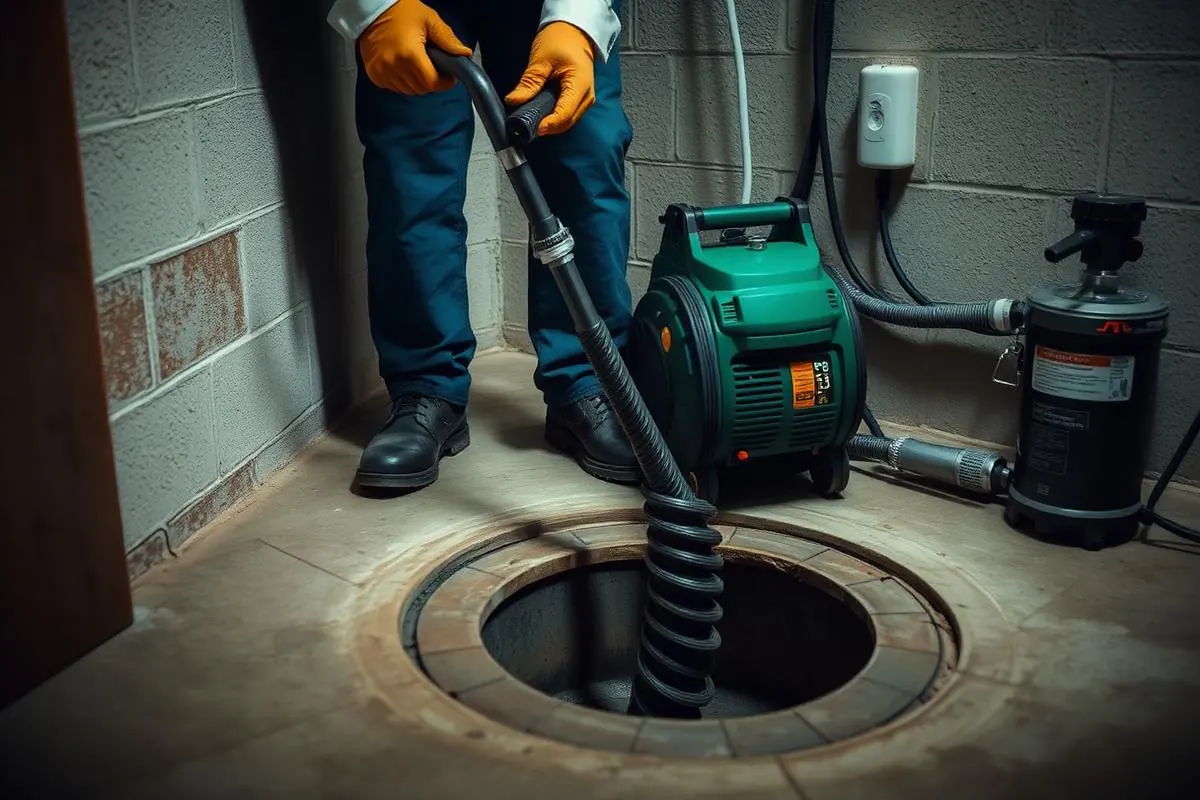
We find the cause first
We explain what we found and what it will take before we start.
24/7 emergencies
Calls answered 24/7. Active leaks, backups and no-water calls are handled as emergencies.
Tested and cleaned up
Every repair is tested with you before we leave, and the work area is left clean.
Sound familiar?
Test your pump now if any of these apply:
Read moreShow less
- The pump runs constantly, even when it has not rained.
- It cycles on and off rapidly, often a float or basin sizing issue.
- You hear grinding, rattling, or humming without the pump actually moving water.
- Water remains in the pit after the pump shuts off, or the pump never kicks on when you pour water in.
- The pump is getting old and has never been tested or serviced.
- There is no battery backup and no alarm to tell you if it fails while you are away.
Sump pump not working? See our guide
In this part of South Dakota a sump pump is basement insurance. Spring snowmelt on still-frozen ground, summer thunderstorms that drop an inch in an hour, and heavy clay soils that hold water against foundation walls all push groundwater toward your basement, and the pump is the only thing moving it back out.
Recognise any of these? Call 605-250-6993
What we check on a sump pump repair call
- Pump operation, float travel, and check valve function in the pit
- Discharge line for freezing, blockage, and where it dumps outside
- Pit depth, debris, and whether the pump is sized for your water table
- Power source and whether a backup exists at all
Sump pump repair, replacement, or new installation
Repair or replace the pump
New float or check valve where that is the failure; a new pump when the motor is the problem.
Battery backup system
The spring storm that floods basements is usually the one that takes the power out too.
Pit and discharge rework
Correct pit sizing and a discharge line that will not freeze shut in January.
Float switch failures
The float switch is what tells the pump to start and stop as the water level in the pit rises and falls.
A float can stick against the pit wall, the power cord, or debris. Then the pump may not start, or it may run without shutting off.
Rapid on and off cycling is often a float problem, a failed check valve, or a pit that is too small. Both short cycling and a stuck float wear the motor.
On a repair visit we check float travel, clear debris, and replace a failed float or switch when that is the problem, rather than replacing the whole pump by default.
Submersible vs pedestal pumps
Most homes we see use a submersible pump, which sits in the pit with the motor under water.
A pedestal pump mounts the motor above the pit on a column, with the impeller down in the water. Some older homes still have one.
Neither type is automatically better. The right choice depends on the pit, the inflow, and what is already installed. We explain what is in the pit and the options before any work starts.
Battery backups
The storm that fills the pit is often the same storm that knocks out power. A battery backup keeps water moving if the primary pump loses power. A high water alarm gives a warning if the pump or power fails.
See the existing cost table and our plumbing cost calculator for rough published ranges.
Frozen discharge lines
Water left standing in a discharge line that runs outside or sits low can freeze in a cold stretch and block the pump from emptying the pit.
We check slope, the outside outlet, and whether a freeze protection fitting would help.
Sewage ejector pump replacement
If you have a bathroom, laundry, or bar sink in the basement below the sewer line, a sewage ejector pump lifts that wastewater up to the main drain. It is a different pump from your sump pump, which only handles groundwater. Finished basements with a bathroom, common in newer homes around Tea and Harrisburg, often have one.
Signs it is failing
The basin alarm goes off, the basement toilet or shower drains slowly or backs up, sewage odor near the basin, or the pump runs nonstop or hums without running.
What it costs
Published national figures put most ejector pump replacements at about $850 to $3,500, with an average near $2,300. Larger or complex jobs can reach about $4,300. Cast iron pumps and higher capacity units cost more than plastic.
Typical published national ranges, not a quote. Rough estimate only. Your final price comes after a plumber sees the job.
Source: Angi, ejector pump replacement cost, updated Oct 15, 2026
Alarms
A high water alarm on the basin warns you before sewage reaches the floor. We can add one during replacement.
Ejector pump backing up right now? Stop using the basement fixtures and call 605-250-6993.
Rough cost for an ejector pump. Slow basement drains instead? See drain cleaning.
How scheduling and arrival work
Call or text 605-250-6993, describe the problem, and ask about appointment availability, arrival arrangements, and any visit charges. Mention active leaks or safety concerns when discussing next steps.
Ask what a sump pumps assessment includes and how findings and options will be explained before you decide on work.
Read moreShow less
What happens after we take a look
- Ask us to walk you through each option separately.
- Confirm any diagnostic or visit charge and what approval is needed before work begins.
- Discuss scheduling, equipment availability, and access before agreeing on the work.
- Ask how completed work is checked, what cleanup is included, and what paperwork is provided.
Warranty. Ask about warranty options when you call.
Permits. We can talk through whether your project needs a permit.
Brands and payment. Ask about payment and financing options when you call.
How sump pump installation is done
What a sump pump service or installation involves:
Read moreShow less
- 1
Test the existing system
We fill the pit and watch the full cycle: float activation, motor performance, discharge flow, and the check valve closing so water does not run back into the basin.
- 2
Inspect the basin and discharge
A clogged intake screen, a debris-filled pit, a failed check valve, or a discharge line that freezes or drains back are common causes of what looks like pump failure. We also confirm the discharge terminates far enough from the foundation.
- 3
Size the replacement correctly
Horsepower and pump curve are matched to your pit's inflow rate and the vertical lift plus friction in the discharge run. A pump that is too small cannot keep up; one that is too large short-cycles and wears out early.
- 4
Install with reliability features
Cast iron or quality thermoplastic pump, a reliable float style suited to the pit, a proper check valve, a weep hole to prevent airlock, secured discharge piping, and a sealed lid to control humidity and radon movement.
- 5
Add backup protection
A battery backup pump or a water-powered backup keeps the basement dry when the power goes out mid-storm, which, in practice, is exactly when pumps are needed most. A high-water alarm gives you warning before the floor is wet.
What does sump pump installation cost?
Most homeowners nationally pay about $800 to $1,500 to install a sump pump, with a national average near $1,100. A battery backup typically adds about $1,000 to $2,000, and many owners add one because the storms that fill the pit are the same storms that knock out power.
| Scope | Typical published range |
|---|---|
| 1/3 HP pump installed | $800 to $1,200 |
| 1/2 HP pump installed | $1,000 to $1,600 |
| 3/4 HP or larger | $1,600 to $2,500 |
| Battery backup (add on) | $1,000 to $2,000 |
| Alarm or Wi Fi monitoring | $100 to $500 |
Typical published national ranges, not a quote. Rough estimate only. Your final price comes after a plumber sees the job.
Source: Angi, sump pump installation cost, updated Oct 5, 2026
Before the spring melt
Test or replace before the melt, not during it.
Discharge lines that freeze
Our plumbing cost calculator shows a typical range of $800 to $1,500 for a sump pump installation with no backup, and $1,800 to $3,500 with a battery backup. These are rough published ranges, not a quote.
What affects the cost
Sump pump costs depend on the equipment and the shape of the existing setup:
Read moreShow less
Pump quality and horsepower
Cast iron pumps with better bearings cost more up front and last longer than entry-level units.
Backup system
A battery backup with its own controller and battery is a separate system and adds cost, and is the single most valuable add-on in a storm-prone area.
Basin condition
An existing, correctly sized pit makes a swap simple. Installing a new pit in a finished basement floor is major work involving concrete.
Discharge line work
Rerouting, extending, or freeze-proofing the discharge adds material and labor.
Electrical requirements
A dedicated GFCI-protected outlet near the pit may need to be added by an electrician if one is not present.
Alarms and monitoring
High-water alarms and Wi-Fi monitoring are inexpensive relative to the damage they prevent.
Sump pump repair in towns we serve
We handle sump pump repair in Sioux Falls, Brandon, Harrisburg, Tea, Lennox, Hartford, Crooks, Renner, Canton, and Worthing.
Why choose Sioux Falls Plumbers
- We test the whole system, not just the pump, check valve, float, discharge, and basin.
- Honest recommendation on backup protection based on your basement's actual risk.
- Discharge routed so it does not dump next to the foundation or freeze shut in January.
- Clear explanation of how to test your pump yourself twice a year.
- Local to Sioux Falls, Brandon, Harrisburg, Tea, Lennox, Hartford, Crooks, Renner, Canton, and Worthing, we know how houses here are built and how this climate treats them.
Read moreShow less
Request service for sump pumps
If water is running right now, call 605-250-6993. It's the fastest way to reach us.
Sump Pump Repair and Installation across the Sioux Empire
We work in Sioux Falls, Brandon, Harrisburg, Tea, Lennox, Hartford, Crooks, Renner, Canton, and Worthing, communities that share hard water and a hard freeze cycle, each with its own mix of housing. Pick your town for the plumbing issues we see there most.
Sump pump repair and installation FAQs
Testing, backups, replacement, and keeping the discharge from freezing.
Twice a year at minimum, late winter before the melt and again before the summer storm season. Pour a bucket of water into the pit and confirm the pump starts, moves water, and shuts off cleanly. That two-minute test prevents most flooded basements we get called to.
If a flooded basement would be costly or disruptive, yes. Severe thunderstorms cause both the heavy water inflow and the power outages, and a primary pump without power is just a plastic object in a hole.
Many residential sump pumps last about 7 to 10 years. It depends on how often the pump runs, the quality of the pump, and whether the pit stays clean. A pump that cycles a lot through spring wears faster than one that rarely runs. If yours is aging, noisy, or has never been serviced, have it tested before the spring melt instead of waiting for it to fail.
A high water table, groundwater seepage, a stuck float, or a failed check valve letting discharged water run back into the pit. Constant cycling wears out a pump quickly, so it is worth diagnosing rather than ignoring.
Away from the foundation, onto ground that slopes away from the house so the water does not cycle right back into the pit. It should not be tied into the sanitary sewer; check with the City of Sioux Falls on local rules. The line should also be set up so it will not freeze shut in winter.
A stuck float, a failed check valve, or a clogged intake can often be repaired. If the motor hums without moving water, the pump runs hot, or it has failed before, replacement is usually the better choice. We test the whole system first and explain both options before any work.
Water left standing in a discharge line that runs outside or sits low can freeze during a cold stretch, which blocks the pump from emptying the pit. Proper slope, a correctly placed outlet, and a freeze-protection fitting at the exterior help keep it open.
Published national figures put most sump pump installations at about $800 to $1,500, with an average near $1,100. A battery backup typically adds about $1,000 to $2,000. It depends on pump horsepower, basin condition, discharge line work, and whether you add a battery backup. We explain what it will take before we start.
Published national figures put a battery backup at about $1,000 to $2,000 on top of the primary pump. It keeps water moving when a storm knocks out power.
Published national ranges put most ejector pump replacements at about $850 to $3,500, with an average near $2,300. Pump material, capacity, and the condition of the basin set the price.
A sump pump removes groundwater from a pit to keep the basement dry. A sewage ejector pump moves wastewater from basement toilets, showers, and laundry up to the sewer line. They are not interchangeable.
Stop using the basement toilet, shower, sink, and washer so the basin does not overflow, then call us. The alarm usually means the pump, float, or check valve has failed.
The float can stick against the pit wall, the power cord, or debris, or the switch itself can wear out. Then the pump may not start, may not shut off, or may short cycle. We check float travel first, because a new float or switch is often enough without replacing the whole pump.
A submersible pump sits in the pit with the motor under water. A pedestal pump mounts the motor above the pit on a column. Most homes we see have a submersible pump. We explain what is in your pit and the options before any work starts.
Related plumbing services
Sump Pump Repair and Installation is one part of the plumbing work we do across the metro. If you are still comparing plumbers in Sioux Falls, the about page explains how we diagnose and explain the work, the full plumbing services list covers every job we take, and the Sioux Falls plumbing page covers the local conditions behind most of these repairs.
Need sump pumps in Sioux Falls?
Call or text 605-250-6993 or email service@siouxfalls-plumber.com. Nights and weekends included.